Boer goats
-
Exceptional hardiness allows for high resistance to disease, making it one of the hardiest livestock breeds.
-
The Boer goat is adaptable to a wide range of climates and grazing conditions, thriving in challenging environments.
-
They can survive in arid regions where other small stock cannot, even with limited access to drinking water.
-
With their strong legs, they are efficient walkers that can navigate mountainous areas and dense shrubbery with ease.
-
Boers consume browse that other livestock overlook, clearing undergrowth and maintaining vegetation balance, even in difficult terrain.
-
They have a long lifespan and maintain fertility up to 10 years or more.
-
Boer meat is in high demand in the US due to its low-fat content and healthful properties. It is equivalent to chicken in caloric value.
-
The Boer goat has the highest dressed weight percentage of any mutton breed.
-
Young Boer meat is tender and flavorful, with sufficient marbling and a pleasing texture.
-
Boers are bred for dominance and carry superior genetic traits for goat ranching.
-
The breed is also used internationally and in the US to improve other goat breeds through aggressive crossbreeding programs.
-
Boer skin produces high-quality leather that is in high demand and can be sold at a premium price for use in shoes, gloves, and books.
-
-
Overview
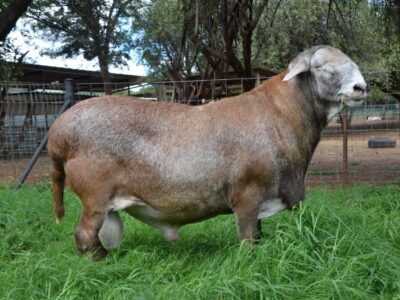
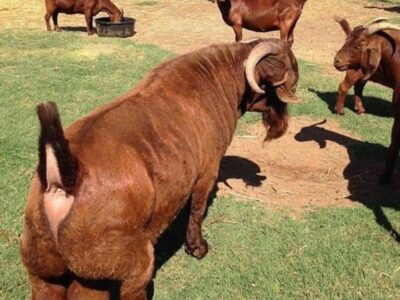
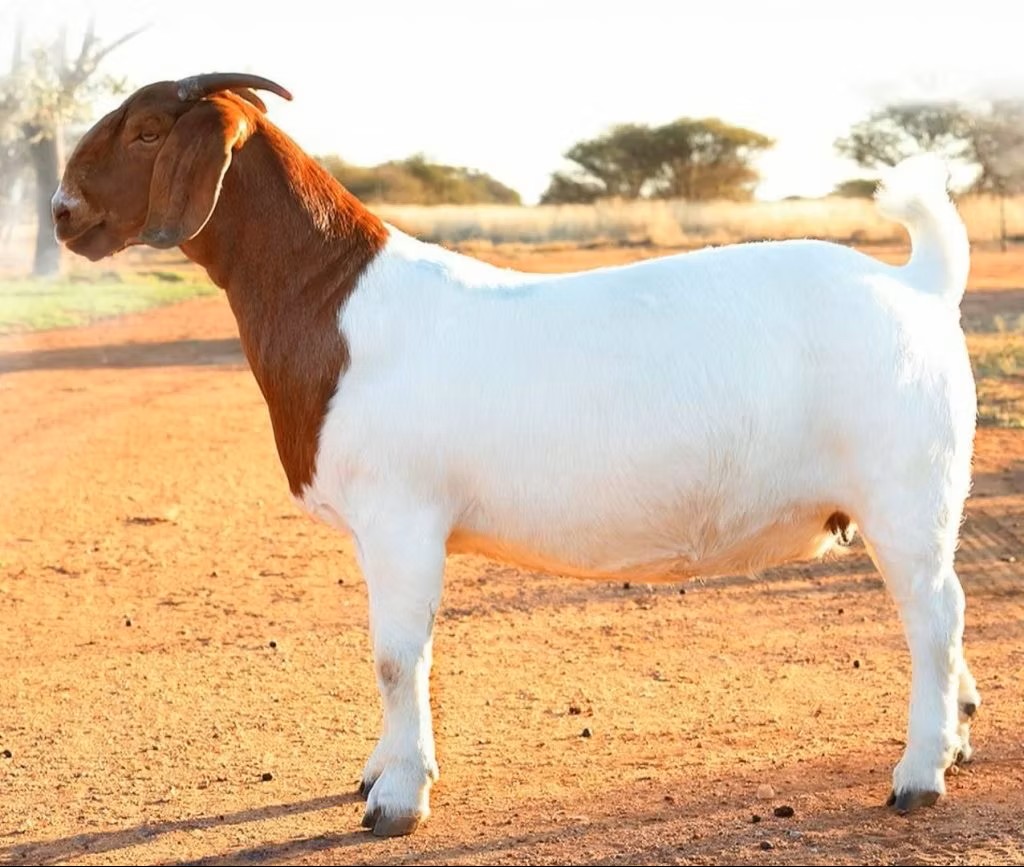
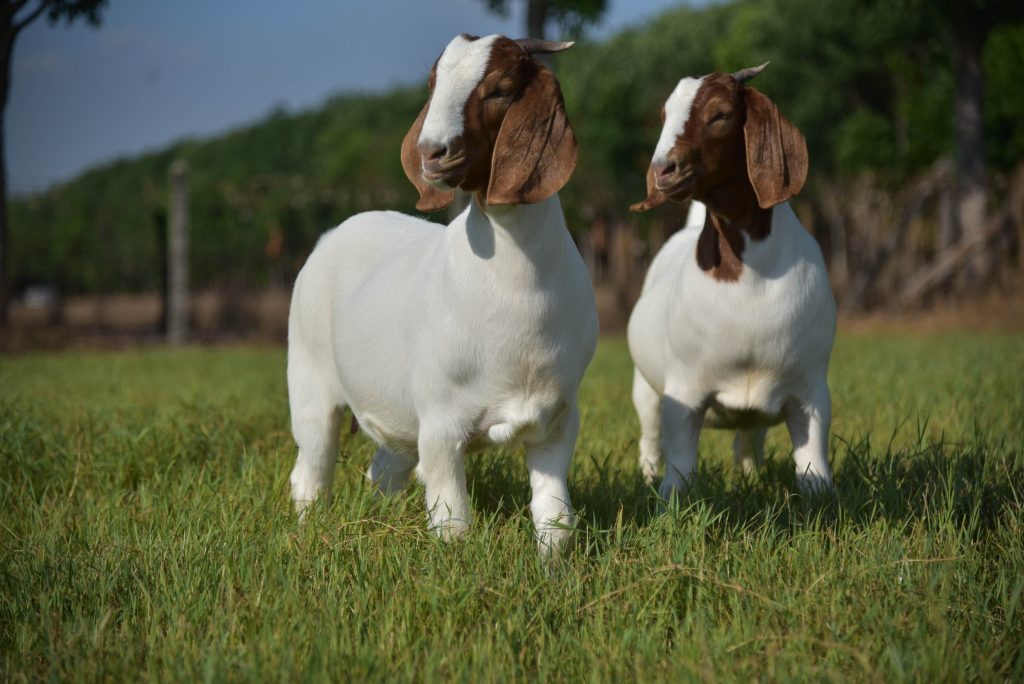
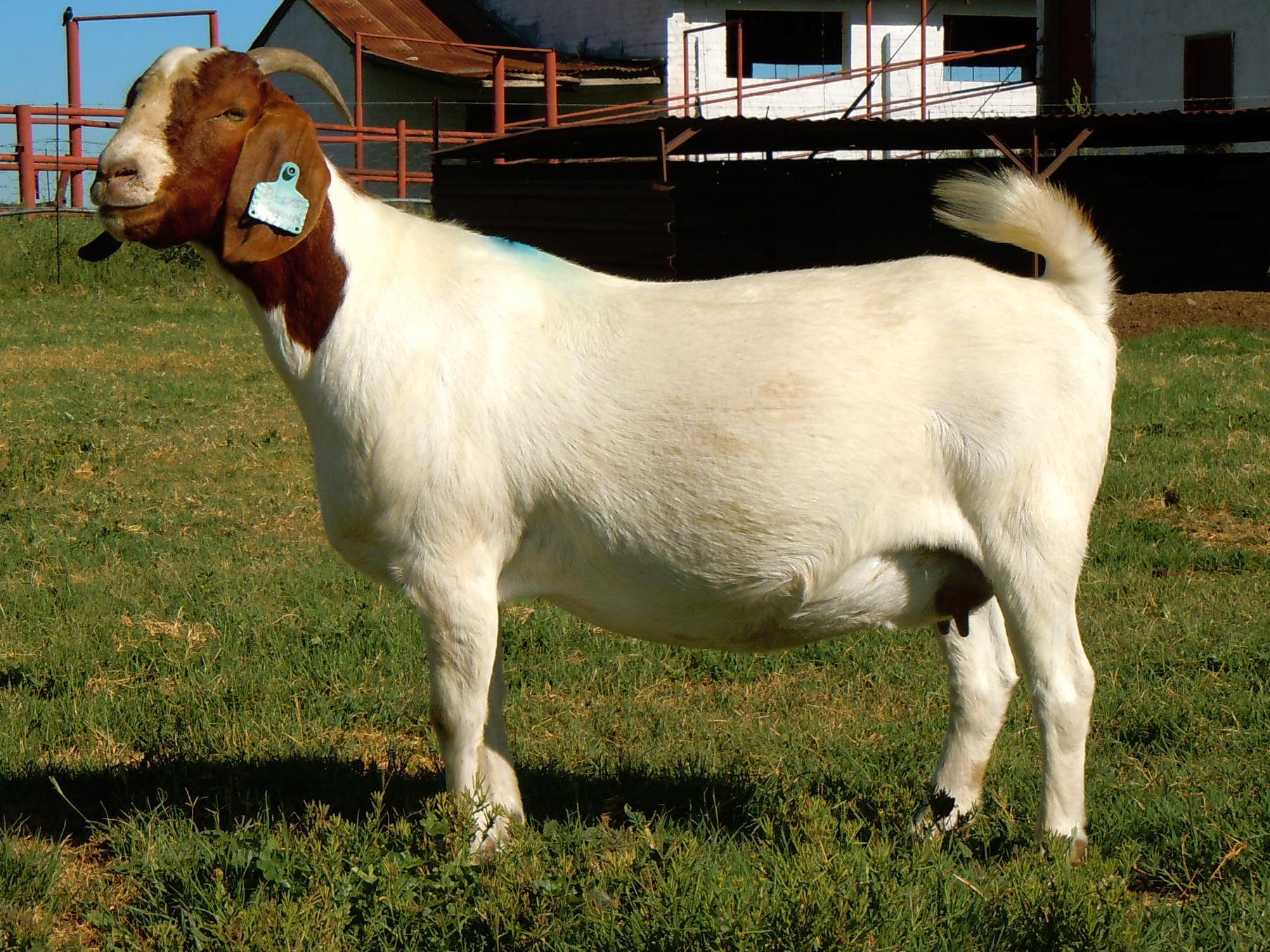
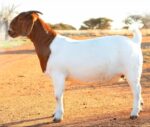
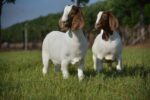
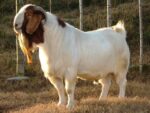
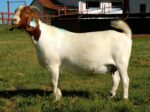
The Boer goat is a world-renowned meat breed originally developed in South Africa, known for its rapid growth rate, excellent carcass yield, and strong disease resistance. With their distinctive white body and reddish-brown head, Boer goats are prized by commercial and small-scale farmers alike for their hardiness, fertility, and market value.Origin
Boer goats were developed in the early 1900s in South Africa by crossing indigenous African goats with European and Indian breeds. The aim was to create a fast-growing, adaptable meat goat suited to semi-arid environments. Today, Boer goats are the dominant meat goat breed globally, found across Africa, the Americas, Australia, and beyond.
Characteristics
Size and Build
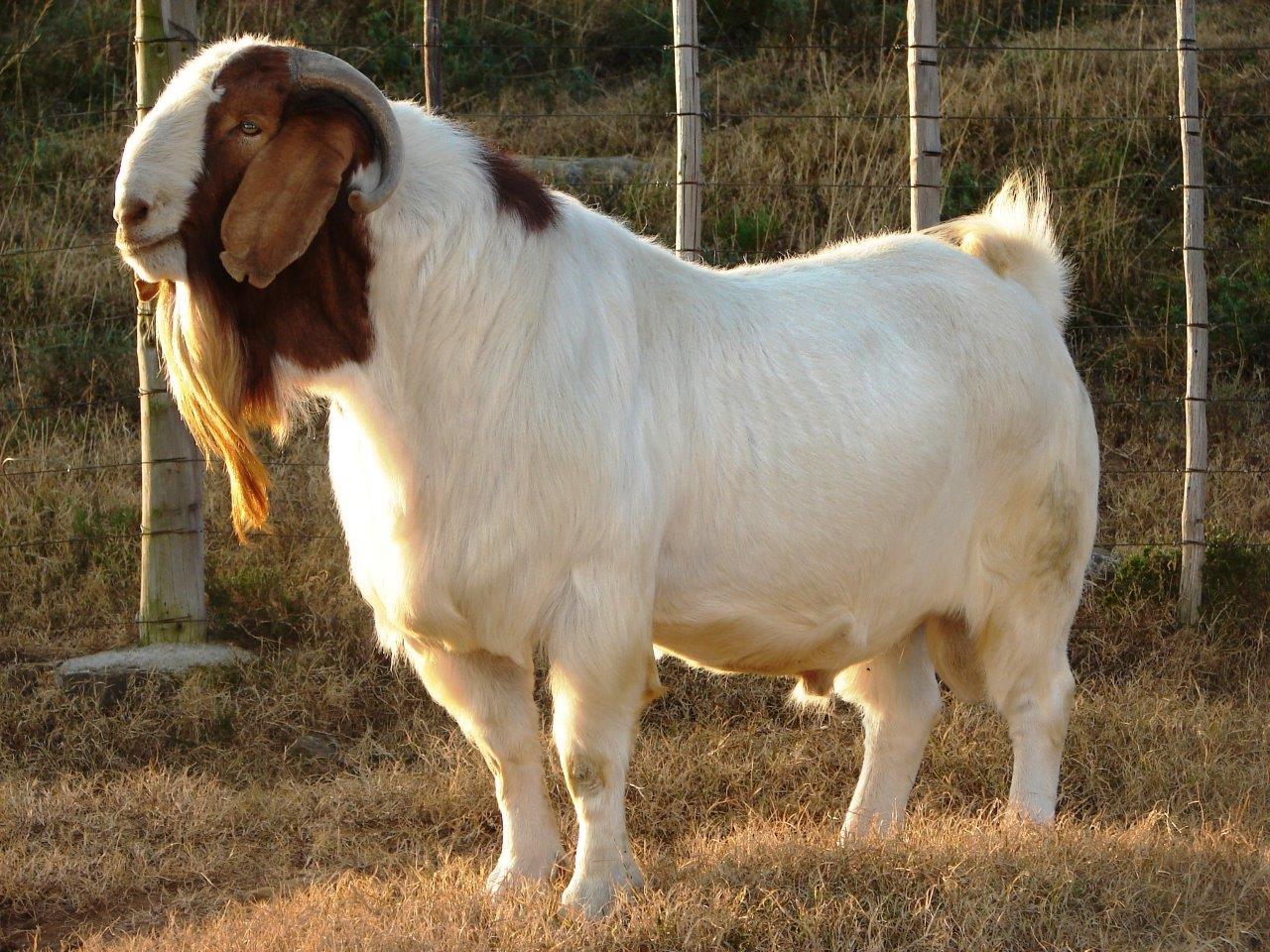
Boer goats are large, heavily muscled animals with a broad chest, deep body, and strong frame—ideal for meat production.-
Weight:
-
Does: 190–230 pounds (86–105 kg)
-
Bucks: 240–340 pounds (109–154 kg)
-
-
Height:
-
Does: 25–30 inches (63–76 cm)
-
Bucks: 30–35 inches (76–89 cm)
-
Coat and Color
Most Boers have a distinctive white body with a reddish-brown head and ears, although some may be completely red or dappled. The coat is short and sleek.Distinctive Features
-
Roman nose (curved facial profile)
-
Long, pendulous ears
-
Thick legs and sturdy hooves
-
Horned in both sexes (often backward-curving)
Meat Production
Boer goats are celebrated for their high meat yield and excellent feed conversion efficiency. They produce tender, lean, and flavorful meat with a high dressing percentage.
-
Carcass quality: High muscle-to-bone ratio
-
Growth rate: Fast, even on low-input systems
-
Market readiness: 4–6 months under good management
Reproductive Performance
Boers are highly fertile, capable of breeding year-round with proper care and nutrition.
-
Kidding rate: 1.8 to 2.2 kids per doe (twins and triplets are common)
-
Maturity: Early sexual maturity (as early as 5 months)
-
Mothering ability: Strong maternal instincts and milk production
Temperament
Boer goats are generally calm, docile, and easy to manage. They adapt well to different management systems, from open range to intensive feeding.
Key Traits:
-
High fertility and fast growth
-
Excellent carcass yield
-
Hardy and disease-resistant
-
Adaptable to hot and dry climates
Uses
-
Meat production: Primary use globally
-
Crossbreeding: To improve growth and meat traits in local or indigenous breeds
-
Showing and breeding stock: Due to their impressive size and appearance
-
-